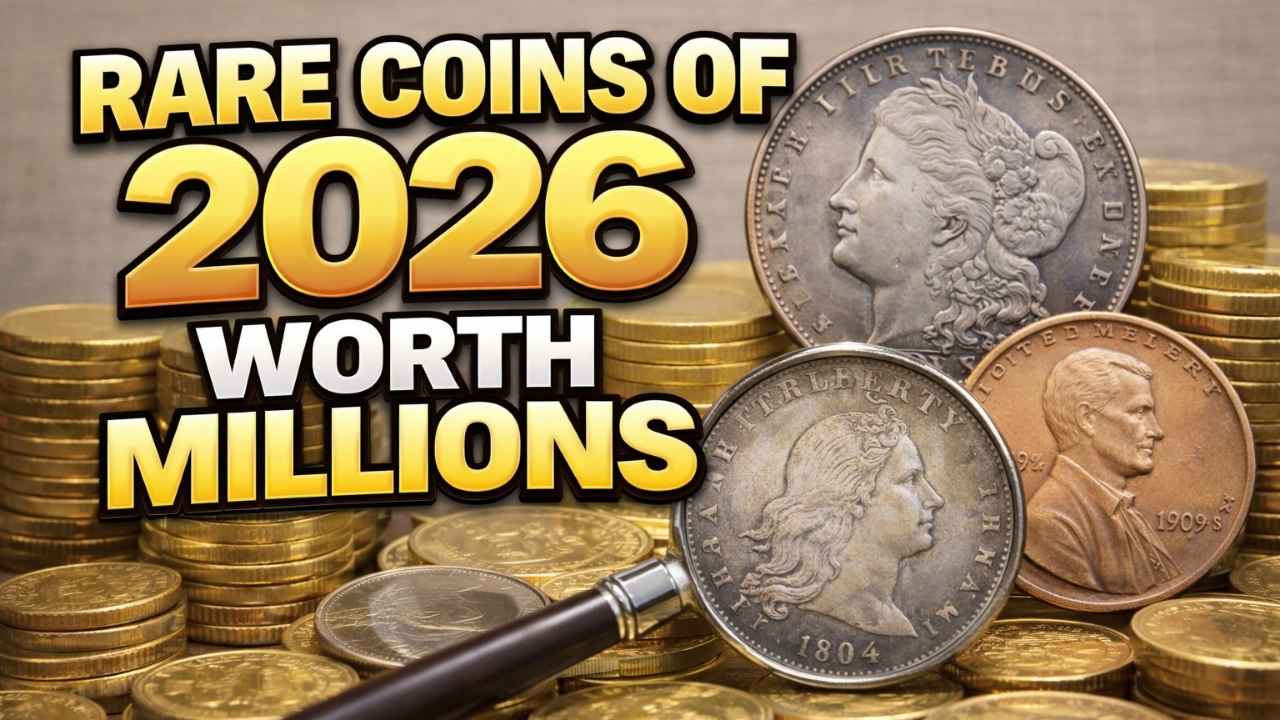
Top 17 Rare Coins of 2026 Worth Millions: Rare coins are more than currency. They are miniature works of art, fragments of history, and symbols of human achievement. In 2026, the numismatic world continues to thrive, with collectors and investors competing for treasures that often fetch millions at auction. Each coin tells a story, whether of political change, minting innovation, or sheer rarity.
Why Rare Coins Command Millions
The value of rare coins is shaped by several factors:
- Historical significance
- Limited surviving examples
- Minting errors or unique designs
- Condition and grading
- Provenance and ownership history
These elements combine to make certain coins highly desirable, transforming them into portable wealth.
The Global Market in 2026
Auction houses report record participation, with coins achieving eight-figure prices. Collectors view them as long-term assets, while investors see them as hedges against inflation. The transparency of grading systems and provenance documentation has further boosted confidence in the market.

The Top 17 Rare Coins of 2026
Below is a curated list of the most valuable coins in 2026, celebrated for rarity, history, and collector demand.
| Coin Name | Year | Defining Feature | Estimated Value (2026) |
|---|---|---|---|
| 1804 Draped Bust Silver Dollar | 1804 | Minted for diplomatic gifts | $5–10 million |
| 1913 Liberty Head Nickel | 1913 | Only 5 known examples | $4–6 million |
| 1933 Double Eagle | 1933 | Controversial gold coin | $18–20 million |
| 1794 Flowing Hair Dollar | 1794 | First US silver dollar | $8–12 million |
| 1870-S Seated Liberty Dollar | 1870 | Extremely rare San Francisco issue | $2–3 million |
| 1894-S Barber Dime | 1894 | Only 24 minted | $2–4 million |
| 2000 Sacagawea Dollar Cheerios Edition | 2000 | Prototype eagle reverse | $100,000–$250,000 |
| 1787 Brasher Doubloon | 1787 | Gold coin by Ephraim Brasher | $9–15 million |
| 1943 Copper Penny | 1943 | Minting error during WWII | $1–2 million |
| 1652 New England Shilling | 1652 | Colonial coinage rarity | $500,000–$1 million |
| 1861 Confederate Half Dollar | 1861 | Only 4 known | $1–2 million |
| 1927-D Double Eagle | 1927 | Denver mint rarity | $2–3 million |
| 1955 Double Die Lincoln Cent | 1955 | Famous error coin | $50,000–$200,000 |
| 1792 Birch Cent | 1792 | Early American prototype | $1–2 million |
| 1937-D Three-Legged Buffalo Nickel | 1937 | Minting error | $50,000–$150,000 |
| 1879 Stella Gold Coin | 1879 | Pattern coin for international trade | $500,000–$1 million |
| 1969-S Double Die Lincoln Cent | 1969 | Rare doubled die error | $75,000–$150,000 |
Historical Context of Key Coins
- 1804 Draped Bust Silver Dollar: Known as the “King of American Coins,” minted decades after its date for diplomatic purposes.
- 1913 Liberty Head Nickel: A coin shrouded in mystery, with only five surviving pieces.
- 1933 Double Eagle: Once illegal to own, now one of the most famous coins in history.
- 1787 Brasher Doubloon: A privately minted gold coin, symbolizing early American independence.
The Role of Minting Errors
Minting errors often elevate coins to legendary status. The 1955 Double Die Lincoln Cent and the 1937-D Three-Legged Buffalo Nickel are prime examples where mistakes created treasures worth hundreds of thousands.
Collecting Trends in 2026
Collectors are increasingly drawn to coins with strong narratives. Provenance, such as ownership by famous figures, adds immense value. Digital platforms now allow collectors worldwide to participate in auctions, expanding the market reach.
Investment Potential
Rare coins are seen as alternative investments. Their scarcity ensures long-term appreciation, while their historical significance makes them culturally priceless. Unlike stocks or bonds, coins are tangible assets that can be displayed and admired.

Preservation and Grading
Professional grading services play a crucial role. Coins are graded on scales that assess condition, luster, and strike quality. A single grade difference can mean millions in value. Preservation techniques, such as controlled environments, are essential for maintaining worth.

Auction Highlights of 2026
Several coins have already set records this year:
- A 1933 Double Eagle sold for nearly $20 million.
- A Brasher Doubloon achieved $12 million at auction.
- A 1794 Flowing Hair Dollar crossed $10 million, reflecting its historical importance.
The Cultural Impact of Rare Coins
Rare coins are more than collectibles. They are cultural artifacts, connecting modern society to its past. They embody craftsmanship, politics, and economics, making them timeless treasures.
Risks in Rare Coin Collecting
While the market is strong, risks exist:

- Counterfeits and forgeries
- Overpaying due to hype
- Market fluctuations
- Storage and preservation challenges
Collectors must rely on reputable dealers, grading services, and auction houses to mitigate these risks.
The Future of Numismatics
Technology is reshaping numismatics. Blockchain-based provenance tracking is emerging, ensuring authenticity. Virtual exhibitions allow collectors to showcase coins globally. The blend of tradition and innovation is driving the hobby forward.
Conclusion
The top 17 rare coins of 2026 represent the pinnacle of numismatic achievement. They are not just valuable assets but living pieces of history. For collectors and investors alike, these coins offer a unique blend of beauty, rarity, and financial potential. As the market continues to grow, rare coins will remain among the most fascinating treasures of human civilization.