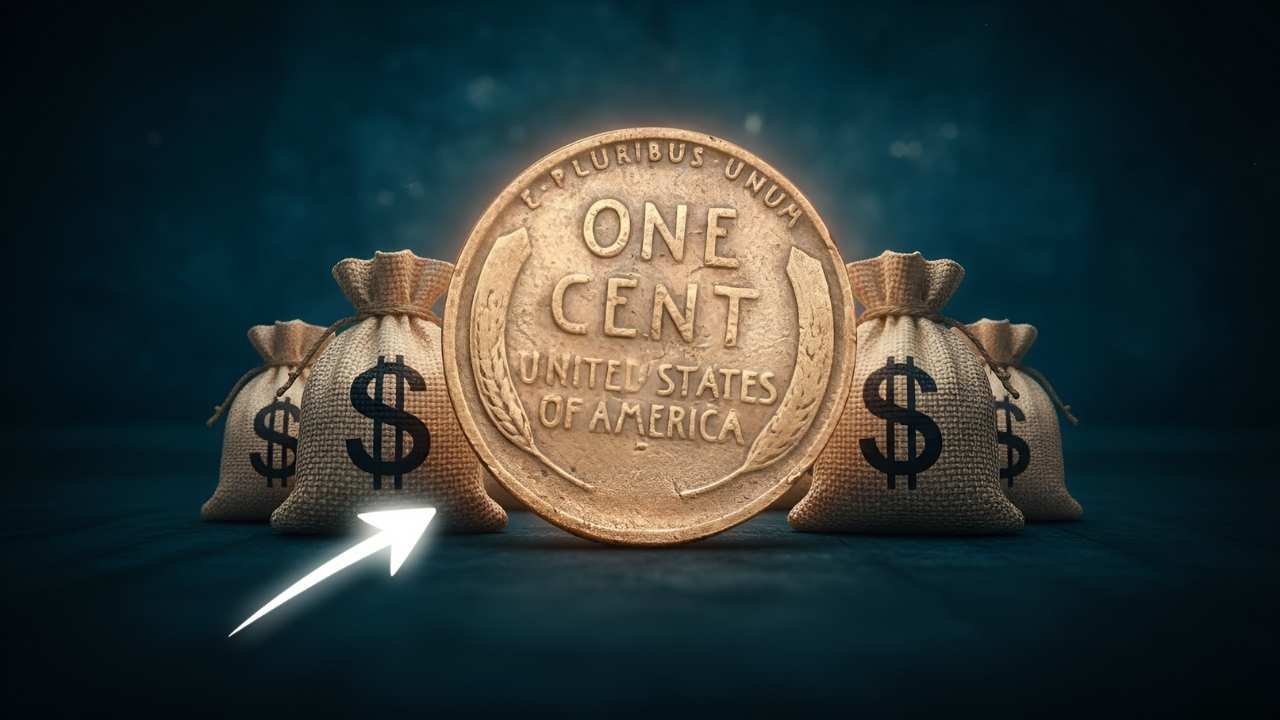
Complete Lincoln Penny Value Guide 2026: The Lincoln penny has been a cornerstone of American coinage since 1909, when it was first introduced to commemorate the centennial of Abraham Lincoln’s birth. Designed by Victor David Brenner, the coin was the first U.S. currency to feature a real person rather than a symbolic figure. Over more than a century, the Lincoln penny has undergone changes in composition, design, and minting practices, making it one of the most studied and collected coins in numismatics. By 2026, collectors continue to prize Lincoln pennies for their historical significance and the rare varieties that can be worth far more than face value.
Composition and Design Changes
The Lincoln penny began as a bronze coin composed of 95 percent copper and 5 percent tin and zinc. In 1943, due to wartime shortages, the penny was struck in steel coated with zinc, creating the famous “steel cent.” After the war, the coin returned to bronze until 1982, when rising copper prices led to a change in composition. Since then, pennies have been made of a copper-plated zinc core. These shifts in composition add layers of interest for collectors who study the evolution of the coin.
Mint Marks and Their Importance
Mint marks are critical in determining the rarity and value of Lincoln pennies. Coins struck in Philadelphia traditionally carried no mint mark, while those from Denver bear a “D” and those from San Francisco an “S.” In 2026, collectors pay close attention to these details, as certain mint marks correspond to lower mintage numbers or special issues. Proof coins from San Francisco, in particular, remain highly desirable because of their superior finish and limited availability.

Rare Varieties Worth Collecting
Several Lincoln penny varieties stand out as especially valuable. The 1909-S VDB penny, with designer Victor David Brenner’s initials prominently displayed, is one of the most famous rarities. The 1955 doubled die obverse penny, with clear doubling visible in the date and lettering, is another legendary coin. Other notable varieties include the 1943 copper penny, the 1970-S small date, and the 1992 close AM penny. In 2026, these coins continue to command impressive premiums, with some selling for thousands of dollars.
Error Coins and Their Premiums
Error coins add another layer of excitement for collectors. Mistakes such as doubled dies, off-center strikes, or coins struck on the wrong planchet can transform an ordinary penny into a rare treasure. Famous errors include the 1944 steel penny and the 1983 doubled die reverse. In 2026, these error coins remain highly sought after, with values depending on rarity and condition.
Proof Coins and Collector Appeal
Proof coins, struck with polished dies and sold directly to collectors, are among the most desirable Lincoln pennies. These coins feature sharper details and mirror-like finishes, making them visually striking. Proof sets from the San Francisco Mint, especially those containing rare varieties, continue to be a cornerstone of serious collections in 2026.
Year and Mint Mark Chart for Collectors
Collectors often rely on year and mint mark charts to assess the value of Lincoln pennies. While most coins remain worth face value, certain years and mint marks stand out. For example:
- 1909-S VDB: Highly valuable due to low mintage and designer initials
- 1914-D: Scarce and sought after in high grades
- 1922 No D: Rare variety with missing mint mark
- 1943 Copper: Extremely rare and worth a fortune
- 1955 Doubled Die: Famous error commanding strong premiums
- 1970-S Small Date: Valuable proof variety
- 1992 Close AM: Rare modern variety prized by collectors
This chart serves as a guide for identifying coins that may be worth far more than a penny in 2026.
Misconceptions About Value
Many casual holders assume that all old pennies are worth more than face value simply because of their age. In reality, most circulated Lincoln pennies remain worth only one cent. The true value lies in rare varieties, pristine condition coins, and proof issues. Collectors in 2026 remain careful to distinguish between common circulation coins and genuine rarities.

Collector Insights for 2026
By 2026, the Lincoln penny market reflects both stability and excitement. Most coins remain valued at face value, but rarities and special issues command premiums. Collectors emphasize several factors when assessing value:
- Condition and grading remain central to determining worth
- Mint marks help identify rarities and special issues
- Error coins continue to be highly sought after
- Proof coins stand out as premium collectibles
- Historical significance adds intangible value
Market Trends and Future Outlook
The Lincoln penny has carved out a unique niche in American numismatics. While it remains a common coin in circulation, its role as a collector’s item has grown steadily. In 2026, the market shows strong interest in rare varieties, with some coins selling for impressive sums. The combination of historical design, minting anomalies, and proof issues ensures that the Lincoln penny remains a fixture in collections for years to come.
Final Thoughts
The 2026 Lincoln penny value guide highlights the importance of understanding composition, mint marks, and rarity. Rare finds such as the 1909-S VDB, 1943 copper penny, and 1955 doubled die obverse stand out as premium collectibles, while common circulation coins remain accessible yet historically meaningful. For collectors, the Lincoln penny offers both cultural resonance and the thrill of discovering rarities. Whether pursuing proof coins, error varieties, or pristine circulation issues, the Lincoln penny continues to inspire and reward numismatic enthusiasts in 2026.