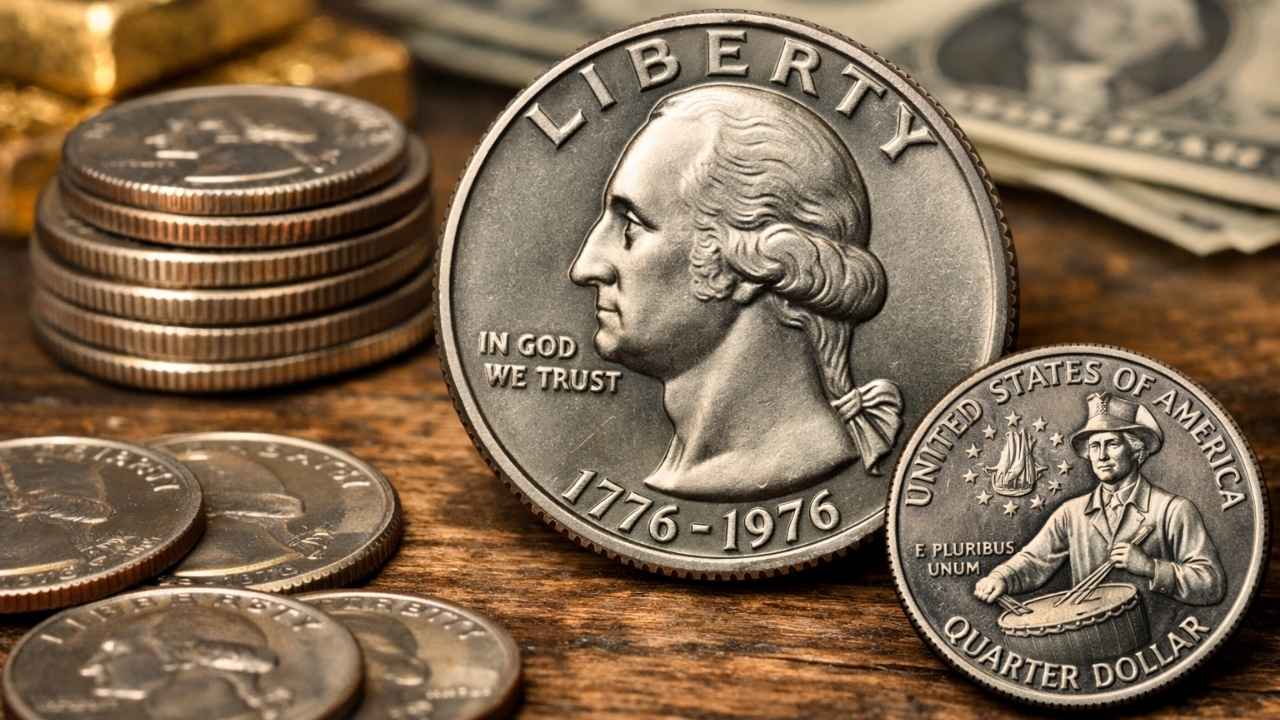
Bicentennial Liberty Quarter Value 2026: The Bicentennial Liberty Quarter, minted in 1975 and 1976 to celebrate the 200th anniversary of American independence, remains one of the most iconic coins in U.S. history. Featuring a special reverse design with a colonial drummer and a torch surrounded by thirteen stars, it captured the spirit of the nation’s bicentennial celebrations. Today, in 2026, collectors continue to prize these quarters not only for their historical significance but also for the rare varieties and minting errors that can make them worth far more than face value.
Why Bicentennial Quarters Are Collectible
The Bicentennial quarter is unique because it was produced for only two years and carries dual dates, 1776 and 1976. Millions were struck, but certain mint marks, conditions, and errors make some examples highly valuable. Collectors are drawn to these coins because they represent a pivotal moment in American history, and they offer opportunities to find rare treasures hidden in ordinary-looking change.
Key Factors That Influence Value
Several elements determine the value of Bicentennial quarters in 2026:
- Mint Mark: Coins struck at Denver (D), San Francisco (S), and Philadelphia (no mark) vary in rarity.
- Condition: Higher grades such as MS65 or MS67 command premium prices.
- Errors and Varieties: Double dies, off-center strikes, and unusual planchet errors can dramatically increase value.
- Metal Composition: Special 40 percent silver issues were produced for collectors, making them more valuable than standard copper-nickel clad coins.
- Historical Context: Coins tied to the bicentennial celebration carry enduring appeal.
Understanding Mint Marks
Mint marks are small letters on coins that indicate where they were produced. For Bicentennial quarters, the most common mint marks are:
- D for Denver
- S for San Francisco
- P for Philadelphia (often no mark at all)
San Francisco produced proof and silver collector versions, which are especially prized today.
Rare Dates and Key Issues
Although all Bicentennial quarters carry the dual date 1776–1976, certain issues stand out:
- San Francisco Silver Proofs: Struck in 40 percent silver, these coins are scarcer and more valuable.
- Denver Mint High-Grade Coins: MS67 and above examples from Denver are rare.
- Philadelphia Mint Errors: Coins without mint marks sometimes show doubling or striking mistakes.
2026 Bicentennial Quarter Value Chart
Below is a general value chart for Bicentennial quarters as of 2026. Values vary depending on condition, mint mark, and composition.
| Type | Mint Mark | Circulated Value | Mint State Value | Notes |
|---|---|---|---|---|
| Clad Quarter | P | $0.25–$1 | $10–$50 | Common issue |
| Clad Quarter | D | $0.25–$1 | $15–$60 | Scarcer in high grade |
| Silver Proof | S | $5–$15 | $40–$150 | 40 percent silver |
| Silver Uncirculated | S | $6–$20 | $50–$200 | Collector issue |
| Error Coins | P/D/S | $50–$500 | $1,000–$5,000 | Double dies, off-center strikes |
| High-Grade MS67+ | P/D | $200–$500 | $1,000–$3,000 | Rare condition |
Error Quarters Worth Collecting
Error coins are among the most exciting finds for collectors. Some of the most notable Bicentennial quarter errors include:

- Double Die Obverse: Doubling visible on the date or lettering.
- Double Die Reverse: Doubling on the drummer or torch design.
- Off-Center Strikes: Coins struck outside normal alignment.
- Clipped Planchets: Coins missing a portion of their edge.
- Wrong Planchet Errors: Quarters struck on nickel or dime blanks.
These errors can elevate a Bicentennial quarter’s value from a few dollars to thousands.

How to Evaluate Your Bicentennial Quarter
Collectors should follow a systematic approach when assessing their coins:
- Identify the mint mark and composition.
- Check for errors or unusual features.
- Evaluate condition using grading standards.
- Consult updated value charts.
- Consider professional grading for rare coins.
Building a Bicentennial Quarter Collection
For beginners, Bicentennial quarters are an excellent starting point. Strategies include:
- Searching circulation for clad examples.
- Purchasing silver proofs and uncirculated sets.
- Collecting by mint marks.
- Exploring error varieties.
- Preserving coins in protective holders.
Historical Significance of the Bicentennial Quarter
The Bicentennial quarter was part of a broader coinage program that included special designs for the half dollar and dollar. Together, these coins celebrated America’s 200th anniversary and were widely distributed to the public. The drummer boy design remains one of the most beloved in U.S. coinage history.
Auction Highlights and Famous Finds
Over the years, Bicentennial quarters have appeared in auctions with surprising results. High-grade silver proofs and rare error coins have sold for thousands of dollars. Stories of collectors discovering valuable quarters in pocket change continue to inspire new enthusiasts.
The Future of Bicentennial Quarters
As of 2026, Bicentennial quarters remain popular among collectors. Their historical significance ensures lasting demand, and rare varieties continue to appreciate in value. While millions were minted, the challenge lies in finding coins with exceptional condition or unique errors.
Conclusion
The Bicentennial Liberty Quarter is more than just a coin. It is a symbol of American independence, a collectible treasure, and a fascinating study in minting practices. By understanding mint marks, silver issues, and error varieties, collectors can uncover hidden gems in their collections. The 2026 value chart provides a roadmap for identifying which quarters are worth more than their face value, ensuring that enthusiasts remain informed and prepared in their numismatic journey.