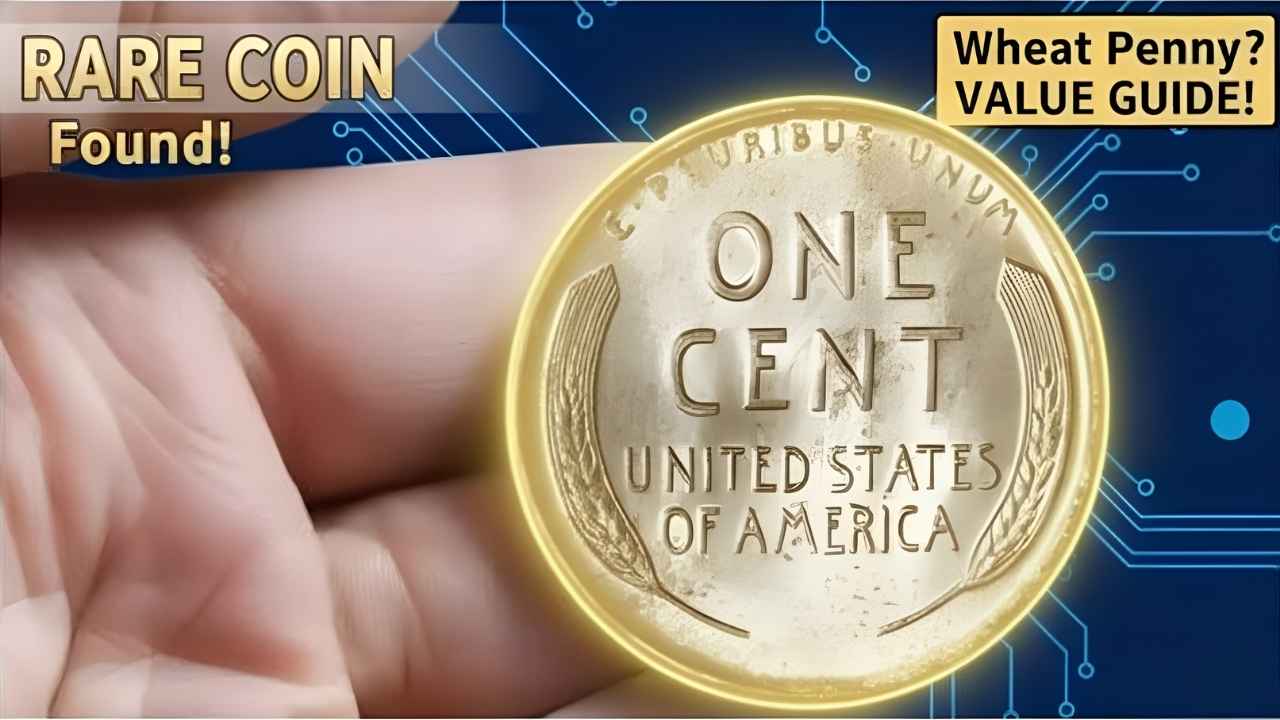
Wheat Penny Price Chart 1909–1958: The Wheat Penny, officially called the Lincoln Wheat Cent, was introduced in 1909 to celebrate the centennial of Abraham Lincoln’s birth. Designed by Victor David Brenner, it was the first U.S. coin to feature a real person. The reverse design with two wheat stalks symbolized prosperity and growth, making it one of the most iconic coins in American history.
Why Collectors Love Wheat Pennies
Collectors are drawn to Wheat Pennies because they are both historically significant and widely available. Many were produced in huge numbers, yet certain dates and mintmarks are rare and command high values. Their affordability makes them accessible to beginners, while rare varieties and pristine examples attract advanced collectors.
Key Dates and Their Values
Some Wheat Pennies are considered “key dates” because of their rarity. These include:

- 1909-S VDB: The most famous Wheat Penny, with values ranging from hundreds to tens of thousands depending on condition.
- 1914-D: Scarce in higher grades, often worth thousands.
- 1922 No D: A minting error that eliminated the Denver mintmark, highly prized.
- 1931-S: Low mintage, making it valuable in all grades.
- 1955 Doubled Die: One of the most dramatic error coins, instantly recognizable and extremely valuable.
Value Trends Over the Last Decade
Over the past 10 years, Wheat Penny values have steadily increased. Common coins from the 1940s and 1950s remain affordable, often selling for 10 to 50 cents in circulated condition. However, rare dates and varieties have seen dramatic growth. Auction records show that collectors are willing to pay premium prices for high-grade examples, with some coins reaching tens of thousands of dollars.
Complete Price Chart Overview
While exact values depend on condition and grading, the following general ranges apply:
- 1909–1919: Common dates range from $1 to $20 in circulated condition, while rarities like the 1909-S VDB can reach tens of thousands.
- 1920–1929: Most coins sell for $0.50 to $10, with the 1922 No D commanding thousands.
- 1930–1939: Circulated coins often sell for under $1, but the 1931-S can bring hundreds to thousands.
- 1940–1949: Generally affordable, with values from $0.10 to $5, though high-grade coins can be worth more.
- 1950–1958: Common dates are worth $0.10 to $1, but the 1955 doubled die can reach tens of thousands.
Factors That Influence Value
Several elements determine the worth of Wheat Pennies:

- Date and Mintmark: Scarce issues from San Francisco and Denver are more valuable.
- Condition: Coins with sharp details and original luster command higher prices.
- Errors and Varieties: Doubled dies and other anomalies increase desirability.
- Collector Demand: Strong interest in Lincoln cents keeps values stable or rising.
Collecting Strategies for Enthusiasts
For collectors, building a complete set of Wheat Pennies from 1909 to 1958 is a rewarding pursuit. Beginners can start with affordable circulated coins, while advanced collectors may aim for certified high-grade specimens. Focusing on key dates and rare varieties maximizes long-term value.
Preserving Wheat Pennies for the Future
Proper storage is essential to maintain value. Coins should be kept in protective holders or albums to prevent damage. Cleaning should be avoided, as it reduces worth. Professional grading adds credibility and ensures accurate valuation.
The Collector’s Value Guide
The Wheat Penny series offers something for everyone, from affordable common dates to million-dollar rarities. Over the last decade, values have proven resilient, with rare varieties achieving remarkable prices. For collectors, they represent both a nostalgic journey and a potential investment.

Conclusion
The Wheat Penny price chart from 1909 to 1958 reveals a fascinating story of history, rarity, and value. Whether worth a few cents or tens of thousands, each coin carries a piece of America’s past. For collectors, Wheat Pennies remain a dream pursuit, offering both beauty and the thrill of discovery.