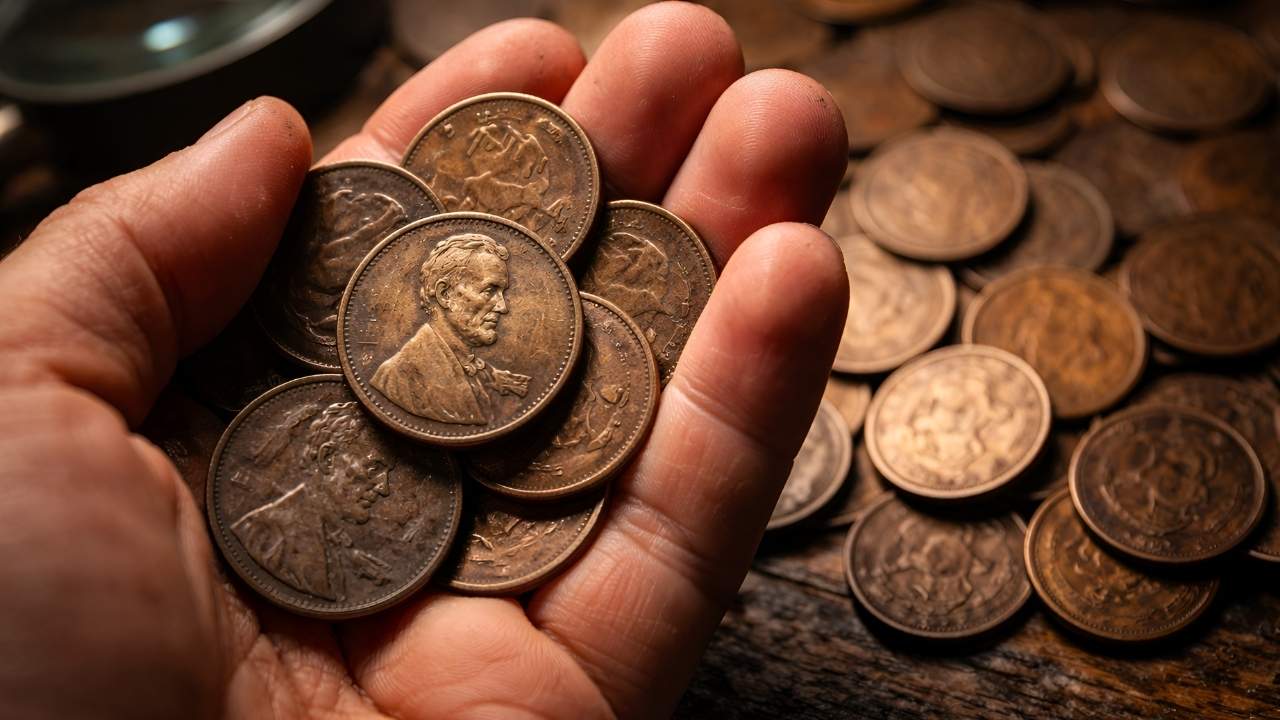
Lincoln Wheat Pennies Worth Thousands: Lincoln Wheat Pennies, officially known as Lincoln Wheat Cents, remain one of the most iconic coins in American numismatics. First minted in 1909 to commemorate the centennial of Abraham Lincoln’s birth, these coins feature his portrait on the obverse and two wheat stalks on the reverse. Their design, history, and rarity have made them a cornerstone of coin collecting. Even today, more than a century after their introduction, Wheat Pennies continue to attract collectors and investors who see them as both historic artifacts and valuable assets.
The Historical Background of Wheat Pennies
The Lincoln Wheat Cent was designed by Victor David Brenner and quickly became a symbol of American pride. It was the first regular issue coin to feature a real person rather than an allegorical figure. The wheat stalks on the reverse symbolized prosperity and growth, reflecting the optimism of the early twentieth century. Minted from 1909 until 1958, Wheat Pennies witnessed decades of American history, including two world wars and the Great Depression. Their longevity and symbolism make them more than just currency, they are pieces of living history.
Rare Dates That Command High Value
Certain dates of Wheat Pennies are especially rare and valuable. The 1909-S VDB is perhaps the most famous, with only a limited number struck at the San Francisco Mint. Another highly sought-after coin is the 1914-D, which remains scarce in high grades. The 1922 “No D” penny, a result of a minting error in Denver, is another rarity that collectors prize. Later dates such as the 1931-S also hold significant value due to their low mintage. These rare dates often sell for thousands of dollars depending on condition, and even in poor condition they can command impressive prices.

Why Even Poor Condition Coins Can Be Valuable
Unlike many collectibles, Wheat Pennies retain significant value even when they are worn or damaged. This is because rarity often outweighs condition in determining value. A 1909-S VDB penny, for example, can still be worth thousands even if it shows heavy wear. Collectors are willing to pay high prices for rare dates regardless of condition because they are essential to completing a collection. The scarcity of these coins ensures that demand remains strong, making them valuable even in poor condition.
The Importance of Mint Marks
Mint marks play a crucial role in determining the value of Wheat Pennies. Coins struck in Philadelphia carry no mint mark, while those from Denver bear a “D” and those from San Francisco an “S.” Collectors pay close attention to these marks because they indicate where the coin was produced and often reveal its rarity. For example, the 1909-S VDB is far rarer than its Philadelphia counterpart, making it significantly more valuable. Understanding mint marks is essential for anyone hoping to build a complete collection or assess the worth of their coins.
How Prices Have Changed Over Time
The value of Wheat Pennies has evolved dramatically over the decades. In the mid twentieth century, collectors could find these coins in circulation and acquire them cheaply. As time passed and circulation dwindled, their rarity increased. By the 1980s and 1990s, certain key dates had already become expensive. In 2026, prices for rare Wheat Pennies have reached new heights, driven by strong demand from collectors and investors. Auction records show that pristine examples of rare dates can fetch tens of thousands of dollars, while even common dates in poor condition are worth more than their face value.
The Role of Coin Grading
Coin grading is central to understanding the value of Wheat Pennies. Professional grading services evaluate coins based on factors such as luster, strike quality, and surface preservation. Grades range from poor to mint state, with higher grades commanding significantly higher prices. A 1914-D penny in mint state can be worth tens of thousands, while the same coin in worn condition might still fetch a few thousand. In 2026, collectors continue to rely on grading services to authenticate and assess their coins, ensuring transparency and confidence in the market.
Market Trends in 2026
The coin market in 2026 reflects broader economic and cultural trends. Collectors are increasingly turning to online auctions and digital marketplaces, making rare coins more accessible worldwide. At the same time, the scarcity of Wheat Pennies has driven prices upward. Younger collectors, inspired by history and the thrill of discovery, are entering the hobby, adding fresh demand. Investors also view rare coins as a hedge against inflation, further boosting prices. The combination of historical significance and financial potential ensures that Wheat Pennies remain highly desirable.

The Collector’s Perspective
For collectors, Wheat Pennies represent both a challenge and a reward. Building a complete set requires patience, knowledge, and sometimes significant financial investment. The thrill of finding a rare date or mint mark keeps collectors engaged, while the satisfaction of owning a piece of history makes the effort worthwhile. Many collectors in 2026 see Wheat Pennies not only as investments but also as legacies to pass down to future generations. Their enduring appeal lies in the blend of history, artistry, and rarity.
The Educational Value of Wheat Pennies
Beyond their monetary worth, Wheat Pennies serve as educational tools. They offer insights into American history, economics, and art. Teachers and parents often use them to spark curiosity in young learners, introducing them to the world of numismatics. Museums and historical institutions showcase Wheat Pennies to highlight their cultural significance. In 2026, their role as educational artifacts remains strong, inspiring new generations to appreciate the importance of preserving history through coins.
Lessons from Rare Wheat Pennies
The story of Wheat Pennies teaches several important lessons. Rarity and condition are key drivers of value in collectibles. Historical and cultural significance can elevate an item beyond its material worth. The passion of collectors sustains the market and ensures that these coins remain relevant. Most importantly, coins are more than just currency, they are artifacts that connect us to our past and inspire future generations. The rise in value of Wheat Pennies in 2026 underscores the enduring importance of history and heritage.
Conclusion
Lincoln Wheat Pennies are more than historic artifacts, they are treasures worth thousands even in poor condition. Their rarity, cultural symbolism, and connection to American history make them some of the most valuable coins in modern numismatics. For collectors, they represent the ultimate prize, a blend of history, art, and investment. For historians, they are reminders of the enduring legacy of Abraham Lincoln and the importance of preserving cultural heritage. As the fascination with rare coins continues to grow, Wheat Pennies will remain shining examples of how currency can become priceless artifacts.

Their story is a testament to the power of history, the dedication of collectors, and the enduring value of cultural treasures. The legacy of Lincoln Wheat Pennies will continue to inspire generations, ensuring that the art of coin collecting remains alive for centuries to come.